
Write Anyway
Routines for Writing Through Difficult Times


I was watching I Am Not Your Negro, and was struck by how often Americans have found ourselves in protest over the last decade. The continuous cycle of racism and violence has left many of us feeling lost, devastated, and drained of hope. I’ve caught myself doubting that things will get better. As a millennial, I once scoffed at cynicism toward Barack Obama’s “Yes, we can” optimism. Now I’ve lived through enough political cycles to know that hope requires more of me. Where I’ve found hope and grounding is in my writing.
I’m grateful that my day job gives me the privilege of participating in the national zeitgeist. This season at Legacy Lit, we’re publishing:
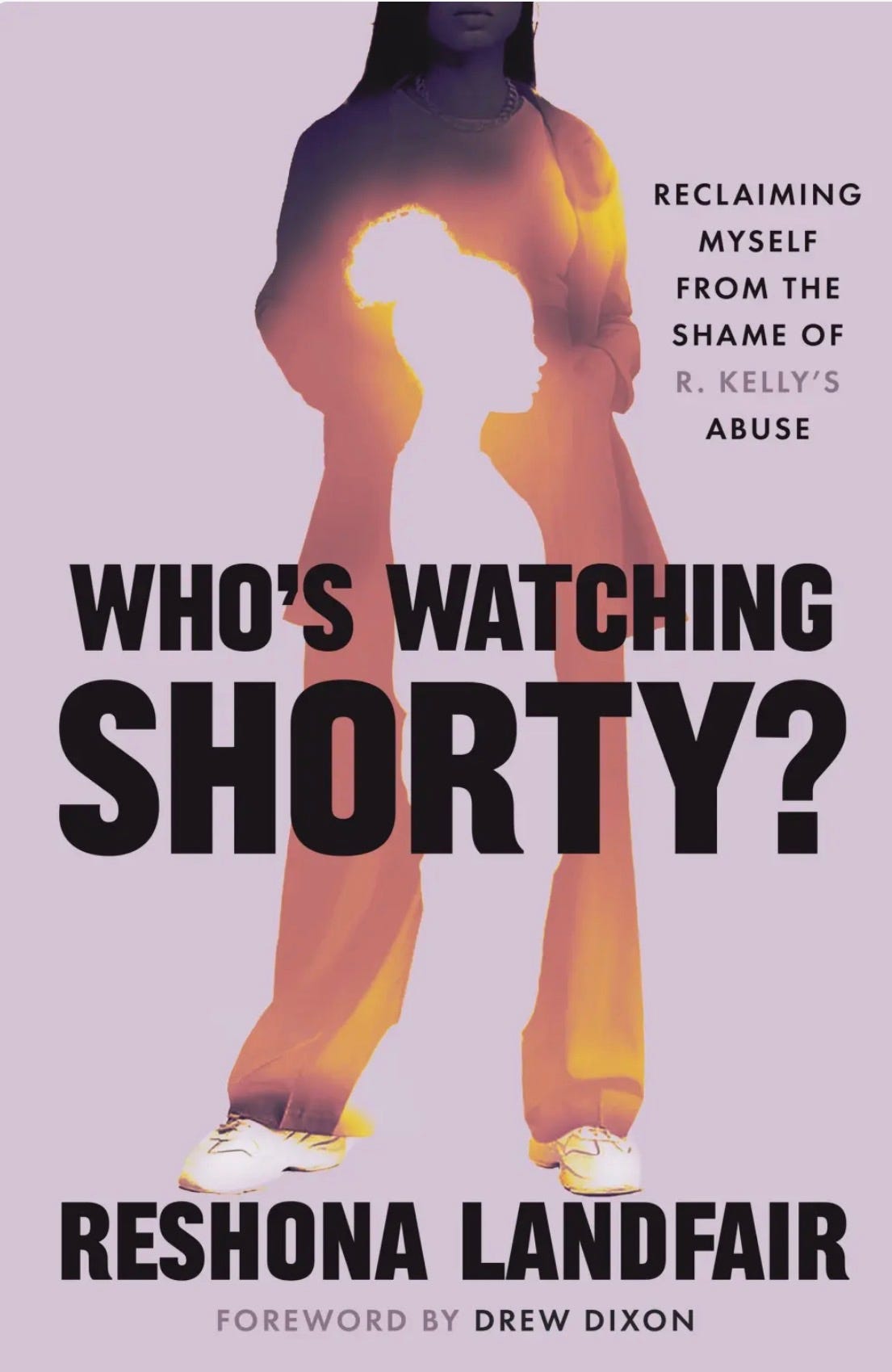
Who’s Watching Shorty? by Reshona Landfair
A fearless memoir about the 14-year-old-girl in the child pornography video that ultimately led to R.Kelly’s trial, and one of the most high-profile cases of a generation.
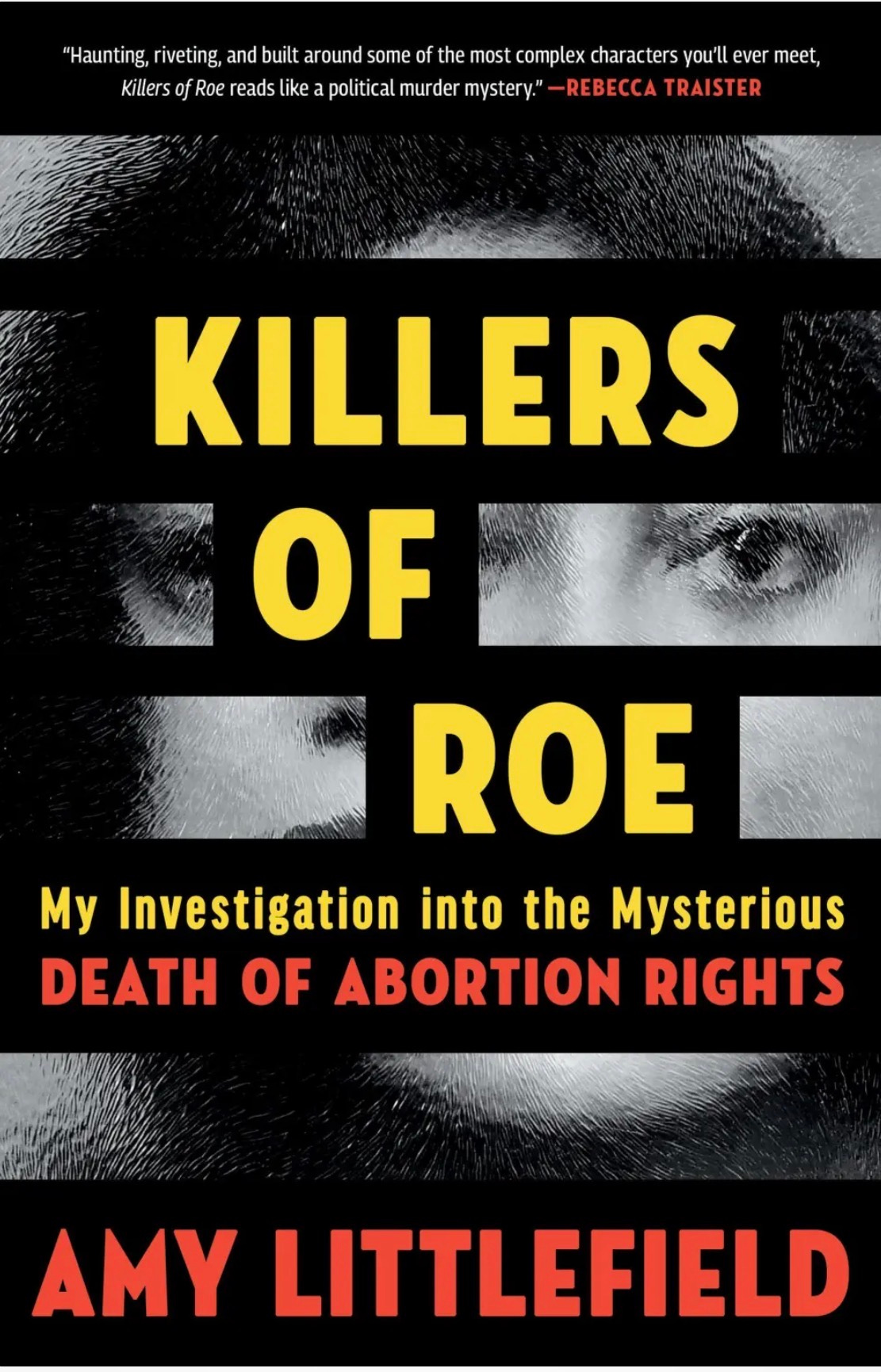
Killers of Roe by Amy Littlefield
A reporter and abortion access correspondent investigates the secret killers and hidden motives behind the death of abortion rights. "Haunting, riveting and built around some of the most complex characters you’ll ever meet..." (Rebecca Traister)
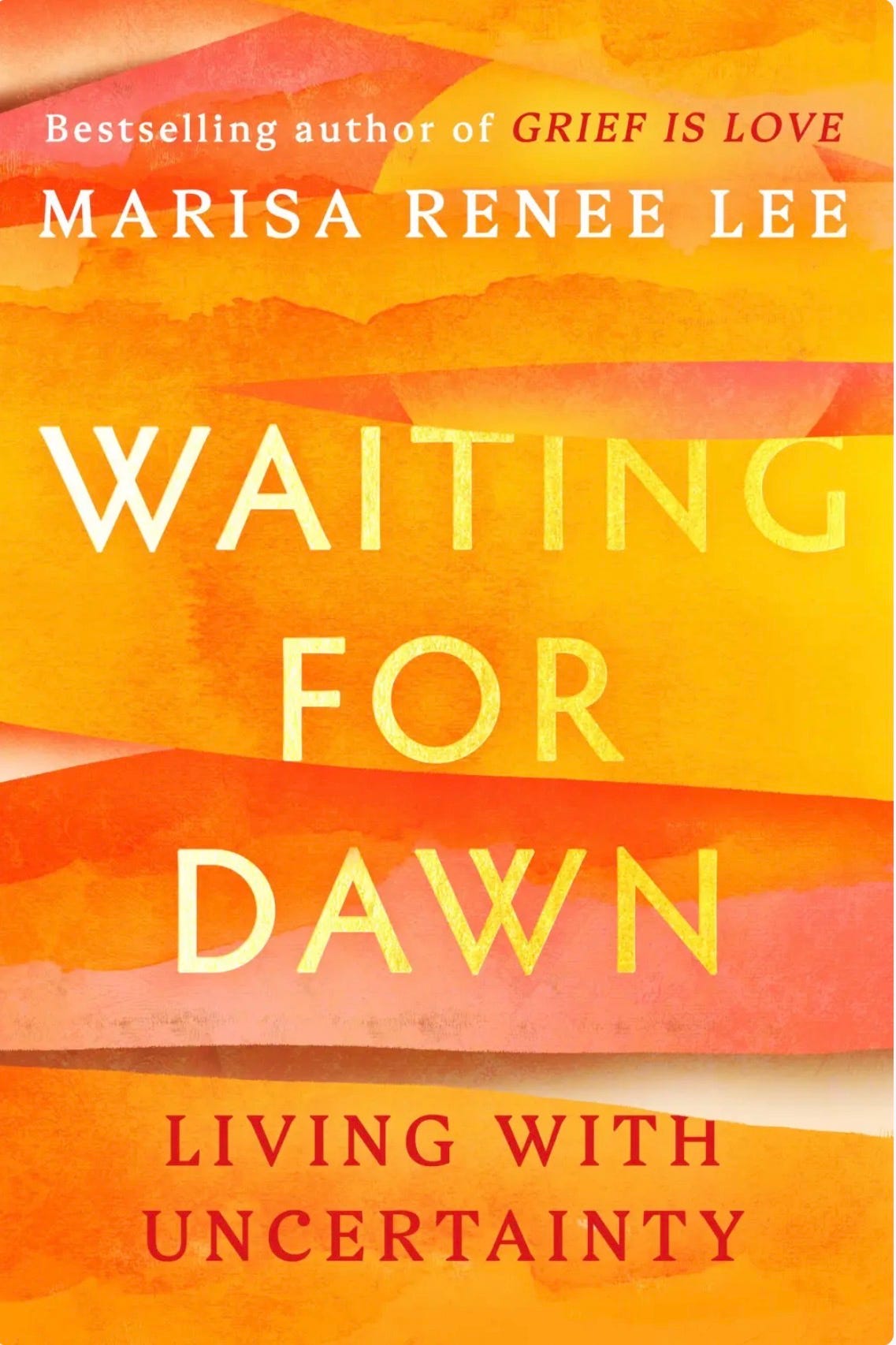
Waiting for Dawn by Marisa Renee Lee
A bestselling author reveals how to prioritize and care for yourself when uncomfortable change is thrust upon you.
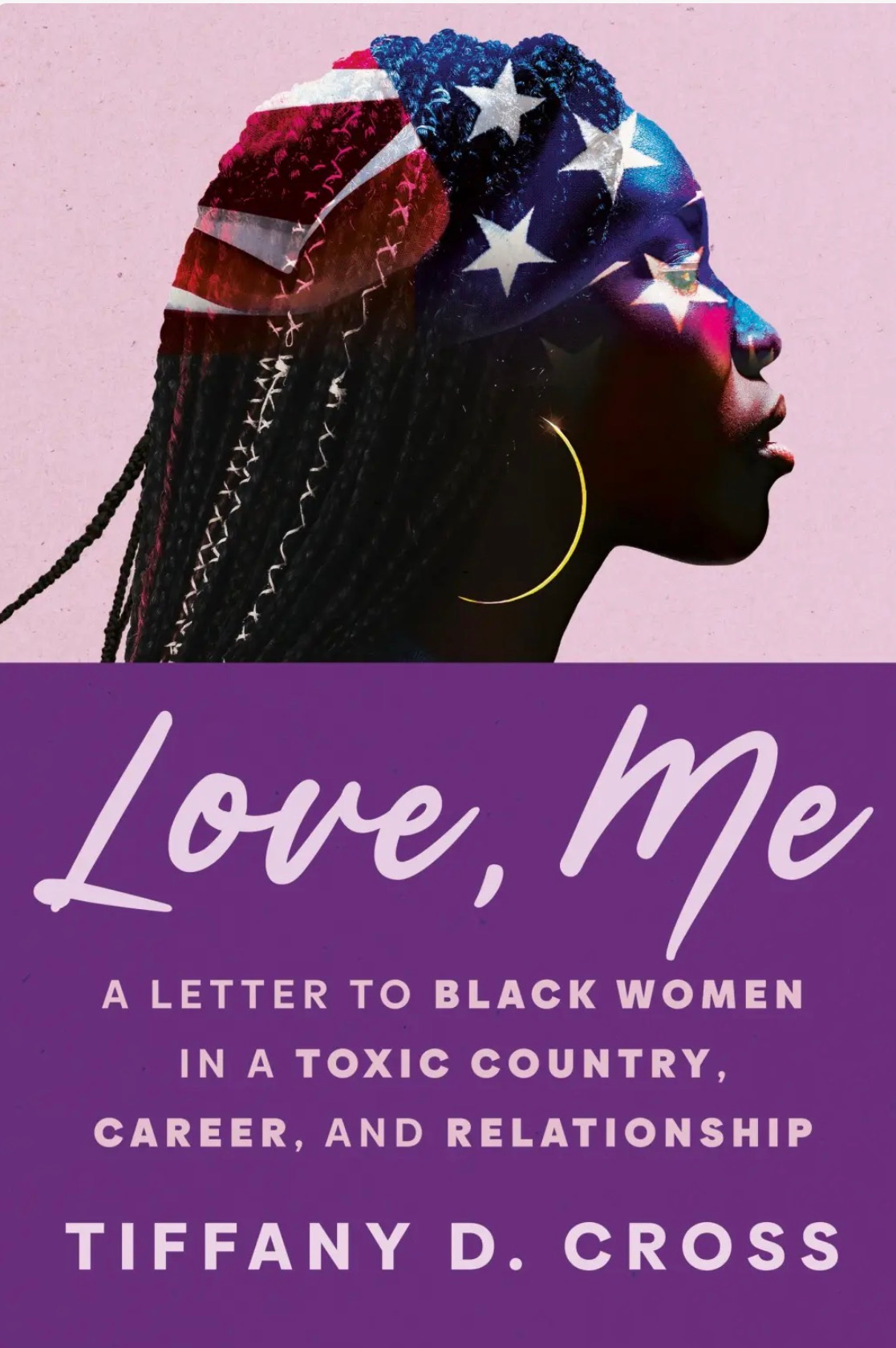
Love, Me by Tiffany D. Cross
A timely affirmation for Black women in a world that has undervalued them for centuries. Sunny Hostin praises it as "thee Black woman’s story for this era. It is both political and personal. It is both timely and, quite frankly, overdue."
As their publisher and editor, it’s remarkable to see how sharply these works reflect the world that we’re navigating today. Books are acquired about two years before publication. Each of these books is, in its own way, a response to a society where women, especially Black women, are being targeted and where we all navigate conditions that feel increasingly dangerous. I’ve felt hopeless. It hurts to see Black monuments removed from walls after so much work and sacrifice was endured to have them placed there in the first place. When I see an innocent person killed, I feel their family’s loss, having experienced that pain myself.
One of the most powerful tools we all possess is the ability to write.
Writing isn’t just self-expression. It is connection. It is memory. It is healing. My life changed after reading books like The Bluest Eye by Toni Morrison and Push by Sapphire. I knew the girls they wrote about. They looked like me. Those books carried me through difficult personal circumstances because they planted hope in my mind. And hope is something we are desperate for right now.
While Marisa was writing Waiting for Dawn, I kept asking her the same question: What does hope look like? Not as a concept, but as an experience. People say the word all the time, and hope can begin to feel empty when there is no place to navigate its beginning or end. I asked her to place the reader inside the feeling. Hope should be felt.
Your writing does not need to be overtly political to matter. In fact, none of the books I’ve mentioned are political in the traditional sense—or at least, that is not their most important quality. What makes them essential is that they are personal.
And we are often in denial about how political the personal truly is.
Most important is that these writers spent time with their ideas and sought clarity about their experiences. If their words resonate with even one person, if they offer comfort, recognition, or insight to just one soul, how powerful is that?
I’ve received far fewer book submissions about Trump than I did during the his first term. That makes me hopeful. It suggests that writers may be turning inward, asking deeper questions, and imagining new possibilities instead of reacting. Our oldest instruments of change have been the written word. From the Bible and the Qur’an to Baldwin and Shakespeare, writing has shaped how we understand the world and our place in it.
If you want to develop a writing routine, here are three techniques I tapped into weekly to finish my manuscript.
1. Commit to a regular writing schedule.
Writing is a muscle. The more you practice, the more it becomes part of your identity. If someone asks what I’m doing to take care of myself right now, one answer is simple: writing. Period. No one can take away that joy from you.
2. Read every day, even briefly.
Stephen King writes about reading in doses, and that has taken away some of the guilt for me. Most of us are juggling work, care, and exhaustion. If you read for five minutes before bed or while waiting in line at the pharmacy, that counts. It all counts. I’m reading Luster by Raven Leilani, mostly at 6 a.m. before I need to be anywhere.
3. Engage with other writers.
You don’t need a formal writing group. In fact, the wrong one can stall you. Engagement might look like attending a book signing (authors will always appreciate this), listening to a podcast by an author you admire, or checking in weekly by phone with a friend who also loves talking about storytelling. I find the best writers are also great orators, so it can be the best conversation of your week: What are you pondering? What are you working on? Only my writer friends ask me these sort of questions, and I love digging for answers together.
When Bleu was little, I had him make Sunday calls. These were calls to family members to see how they were doing and to share about his week. Writers can adopt a similar ritual: consistent check-ins with a writer. If you don’t have access to retreats or conferences, invite friends to your home or a café. (More on this soon. I’ll share a ritual I’ve started doing this year.) Also, I post local and national events and programs in my IG stories @KrishanTrotman, so be sure to follow me there, too.
As we move through challenging times, remember that your words matter. Be honest, be personal, and share. Writing is a quiet practice, but it shapes culture. Writers imagine futures. Writers make meaning when things feel senseless. Never underestimate the power of your written words.
This is such excellent advice! I’ve been writing daily for most of the last six years and it’s been quite literally life changing!
Thank you for your words of encouragement and inspiration. I am struggling to balance writing, promoting my debut novel (e.g., social media, heavy podcast schedule, author site optimization, ads on Amazon.com, FB, etc.), preparing for a TEDx talk and working a full-time job. The exhaustion is real!
Whenever I am not working, I feel guilty about not pushing myself hard enough. Just typing these words is forcing me to take time to rebalance my workload, and most importantly, appreciate my journey, and be present.
Thank you!